
I have run the organizations from the inside.
What follows is a short tour of the work itself. The systems I have built, the problems I have solved more than once, and the tools I reach for when an organization needs its structure to catch up with its ambition.
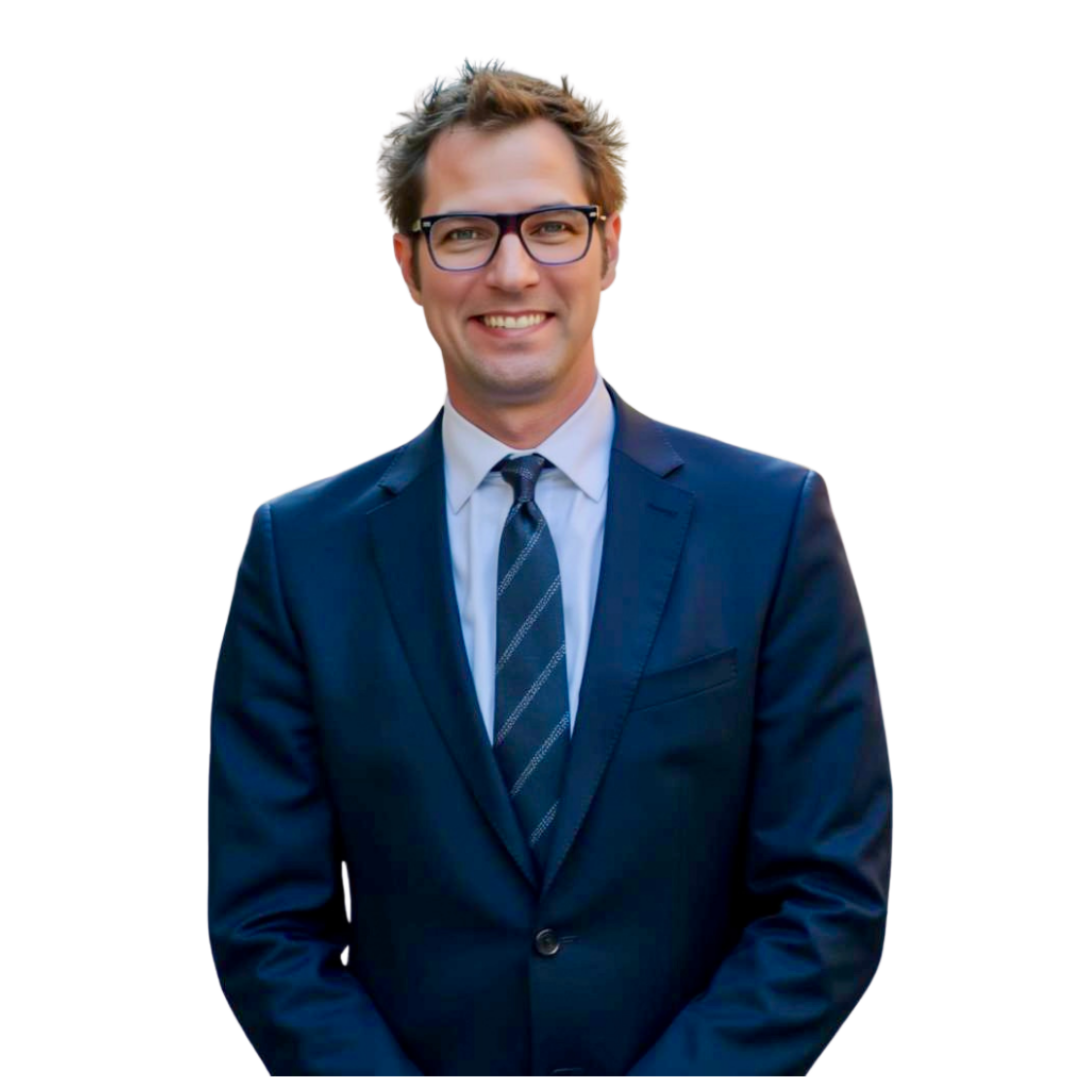
It started with a trombone and a paper route.
Before any of the executive titles, I was a church organist, a classical trombonist, and a kid who delivered newspapers for five years because the first millionaire I met said that was how he started. The path into operations ran through orchestras, a dance company, a box office, and one summer spent bicycling across the United States.
That patchwork turned out to be the training. Each of those settings was an organization trying to do something meaningful with limited resources and real people. I kept asking the same question in all of them: what is the learning here, and where else might it apply. That is still how I work.
For twelve years I helped build Fractured Atlas, the largest association of independent artists in the United States, from a one-room $4.5M operation into a fully virtual $30M enterprise serving more than a million creatives. I served as Chief Operating Officer and then Co-CEO, one of four people in a shared, non-hierarchical leadership team. We ran a distributed staff across 12 states and six countries, managed multi-year financial strategy, and closed IRS audits with zero negative findings.
Since 2021, I have stepped into the harder chapters as an interim leader, stabilizing operations, rebuilding culture, and leaving behind systems that hold. I am a certified Senior Professional in Human Resources and a trained mediator, and I still believe the most interesting work happens where there is the most uncertainty.
Selected roles
It all sits on operations.
My whole career has run through finance and operations. The people systems, the transformations, the governance, all of it is built on that footing. It is a large part of why the structures I put in place tend to hold.
Change & Transformation
Reorganizations, systems, and the digital work underneath them.
Compensation & Total Rewards
Pay structures, equity, and the trade-offs behind them.
People Systems & Culture
Hiring, development, and how teams actually work.
Governance & Risk
Boards, audits, compliance, and exposure.
Learning & Development
Curriculum and capability, for staff and for the field.
Most people expect a people leader to stop at culture. Two decades in finance and operations taught me otherwise. Culture is downstream of how an organization is built and run.
What I have actually built.
A selected index rather than a full catalog. Each of these is something I have designed, run, or repaired inside a real organization, usually more than once.
Finance & operations
- Multi-scenario budgets and the financial infrastructure to run them, through growth and through contraction.
- Operating models rebuilt so a distributed organization could actually function across states and countries.
- Audit-ready books and fiscal-sponsorship structures operating at national scale.
Compensation & pay equity
- Fixed-tier structures where everyone at a level is paid the same, with tiers that move on cost of living and market study.
- A compensation model weighing 21 distinct criteria.
- Reconciling software-engineer pay and nonprofit-program pay under one roof, then building it into multi-year plans.
People systems & culture
- Unlimited time off that actually held, with the manager training that kept it fair.
- Peer-to-peer recognition run transparently, so values-aligned work got acknowledged in the open.
- A career program that helped people prepare for their next role, including the ones beyond the organization.
Operating rhythm & decisions
- Meeting architectures that retired the one-meeting-to-rule-them-all in favor of standups, tactical, strategy, and quarterly depth.
- A four-person, non-hierarchical Co-CEO model, and the wage-compression work it forced into the open.
- Annual budget presentations with live Q&A that put compensation trade-offs on the table.
Governance & hard conversations
- Liaison to finance, audit, and HR committees through succession and acquisition due diligence.
- Executive search rebuilt for fairness and clarity rather than performance.
- Collective bargaining approaches grounded in trust, on the premise that both sides still have to work together afterward.
35+ tools, built and tested.
The frameworks I reach for are not improvised on a client's time. They have been developed, used, and refined across real organizations under real constraints. A few of them:
The Friction Finder
A structured read on an organization's health across seven domains, mapped to the specific tools that fit.
Risk Calibration Framework
A way to size real exposure across jurisdictions and decisions, so caution lands where it belongs.
Behavior Dashboard
A plain articulation of what each level of an organization actually requires, tied to development.
Core Curriculum
Onboarding built as a curriculum, so new people learn the organization instead of guessing at it.
Clean the Lint Filter
A curriculum for the healthy conflict most teams avoid until it hardens into something worse.
Role Clarity Process
A lightweight way to define a role, used for leaves, departures, and arrivals, and to write job descriptions that fit.
The work, made teachable.
The clearest test of whether you understand something is whether you can teach it. I am on faculty at The New School, the Minneapolis College of Art and Design, the Banff Centre for Arts & Creativity, and the Hollyhock Leadership Institute, where I originated and teach courses in Strategic HR and people-centered organizational design.
I also make the thinking public. Work Shouldn't Suck is a body of work on human-centered organizational design, including a podcast approaching its hundredth episode and a long-running Substack. I am currently writing about why strong operations are what free leaders to take bigger risks.
If any of this looks like what your organization needs.
The Friction Finder is the fastest way in. It gives you an honest read on where things stand, and a sense of how I think. From there, we can talk.